

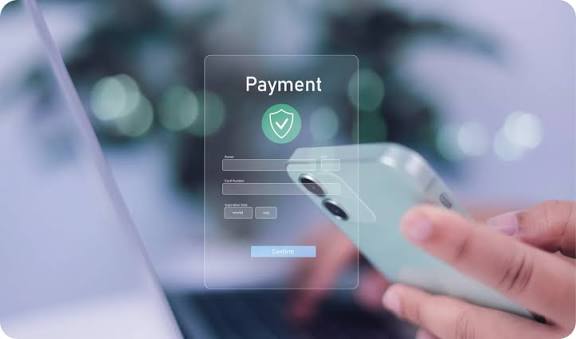
A payment gateway for your website in Egypt is the service that lets customers pay online by card, mobile wallet, cash-collection outlets or installments, and then settles the money to your bank account. The best one for you is the gateway that supports the payment methods your customers actually use, accepts your business documents, and has a reliable plugin or API for your website platform. Compare at least two providers on those three points before you sign.
What Egyptian customers expect at checkout
Card payments alone are not enough for many Egyptian buyers. Gateways operating in Egypt commonly offer some or all of these methods (check each provider’s current list):
| Payment method | Examples | Why it matters |
|---|---|---|
| Bank cards | Visa, Mastercard, Meeza | The standard for online payment |
| Mobile wallets | Telecom and bank wallets such as Vodafone Cash | Popular with customers who prefer not to enter card details |
| Cash-collection outlets | Fawry and similar networks | Lets customers order online and pay in cash at a nearby outlet |
| Installments (BNPL) | valU, Forsa, Souhoola and others | Helps sell higher-priced products and services |
| Payment links | Sent on WhatsApp or by email | Useful for services and B2B invoices with no full checkout |
Common gateways in Egypt
Well-known providers include Paymob, Kashier, Fawry (FawryPay), Fawaterk, Easykash, PaySky and Geidea, plus international providers with Egyptian coverage such as PayTabs. Each has different payment methods, onboarding rules and plugins, and fees change over time, so ask each provider for a written offer instead of relying on old blog posts.
Can you get a payment gateway without a commercial register?
This is one of the most searched questions in Egypt. At the time of writing, several Arabic guides report that some gateways (such as Paymob, Kashier, Fawaterk and Easykash) have offered accounts for individuals or freelancers with a national ID and a bank account, while FawryPay asks for a valid commercial register and tax card. Requirements change, and an individual account may have limits, so confirm directly with the provider. If you are building a real business, registering properly also makes invoicing, the Egyptian e-invoice system and scaling much easier.
How to choose: a 6-step checklist
- List your customers’ payment habits. Do they pay by card, wallet, cash or installments?
- Check documents. Company or individual account, and what the gateway needs from you.
- Compare total cost. Setup fee (if any), percentage per transaction, fixed fee, and refund and chargeback fees. Ask for them in writing.
- Ask about settlement. How many days until money reaches your bank, and is there a minimum?
- Check the integration. An official plugin for WooCommerce or your platform, or a documented API for a custom site or app.
- Test the experience on mobile. The payment page should load fast, show Arabic correctly and return the customer to your site with a clear confirmation.
What a proper integration includes
Installing a plugin is only the start. A complete setup should cover:
- Testing in the gateway’s sandbox before going live
- Correct order status updates (paid, failed, refunded) using callbacks or webhooks, so orders are never marked paid by mistake
- Confirmation emails or WhatsApp messages to the customer
- An SSL certificate and a clear refund and privacy policy on the site (gateways usually review these before approval)
- If you use an ERP such as Odoo, payments syncing to your invoices so accounting stays accurate
How GDS helps
GDS builds websites and online stores for Egyptian businesses and connects them to the payment gateway that fits your customers, whether you run WooCommerce, a custom website or a mobile app. We help you prepare the pages gateways usually review, integrate and test the payment flow, and connect it to your ERP if needed. See our web development service or message us on WhatsApp for a free consultation.
Starting a store from scratch? Read How to Create an Online Store in Egypt. Planning the whole site? See How Much Does a Website Cost in Egypt? Want payments to flow into your accounting? See ERP for small businesses in Egypt.
Frequently asked questions
There is no single best one. The right gateway supports the payment methods your customers use, accepts your documents and works well with your website platform. Compare two or three on cost, settlement time and integration.
Yes, through a gateway that supports mobile wallets. The customer pays from their wallet on the checkout page and the gateway settles the amount to your account.
It depends on the provider’s review of your documents and website. Prepare your refund policy, contact details and product or service pages in advance to avoid delays.
For WooCommerce, an official plugin may be enough for a basic setup. For custom websites, apps, ERP sync or reliable order status updates, a developer should handle and test the integration.
2 Comments
[…] the company has integrated before, and who handles the merchant account paperwork. Our guide to choosing a payment gateway in Egypt covers the […]
[…] payment gateway you plan to use. Many do not support local options out of the box. Our guide to choosing a payment gateway in Egypt explains what to […]